
June 9, 2023
Check out the new writeup on the CSM Initiative: Careers in Science and Medicine Programs Create Opportunities. The CSM has... Read More
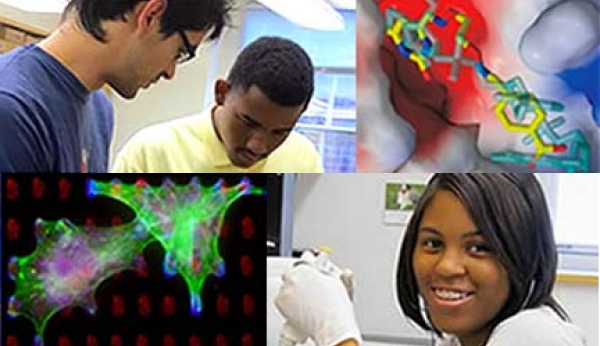
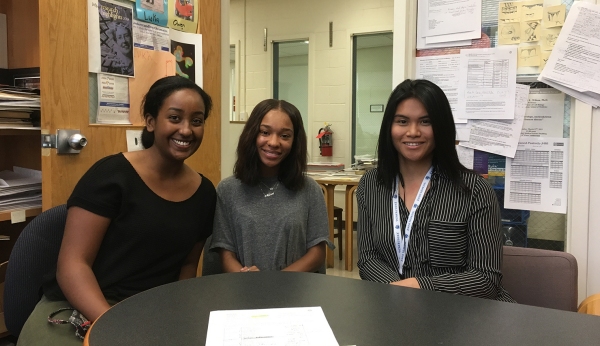
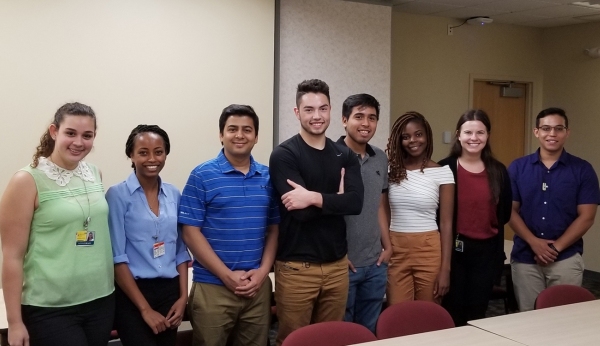
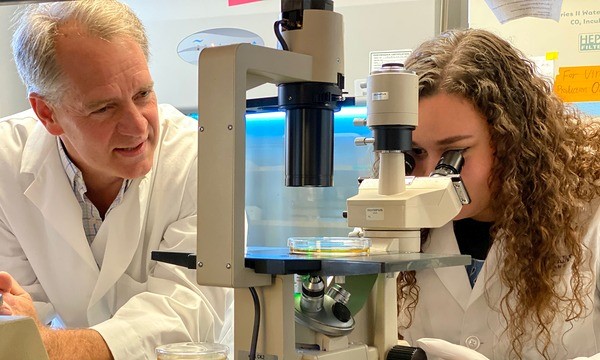
The health and biomedical research workforce will become truly diversified when socioeconomic barriers are overcome, allowing individuals from all backgrounds to become members and leaders of their fields. Focused opportunities must be provided for individuals from low-income and under-represented backgrounds, and the major goal is to ensure that individuals with interest and passion also have the skills, accomplishments, network, and support system required to succeed at each level of training. We strive to provide these opportunities through our Johns Hopkins Initiative for Careers in Science and Medicine (CSM).
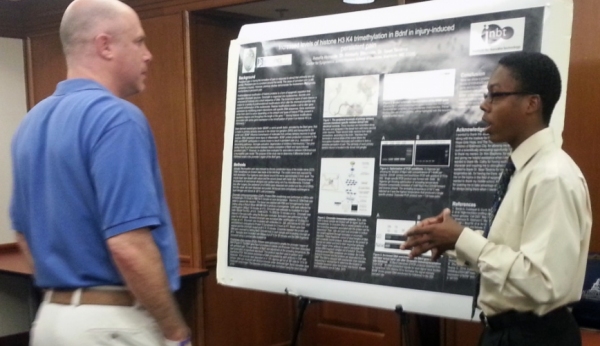
To date, the CSM Initiative has served over 635 scholars. This includes 245 5th Graders (one-week science camp), 223 high schoolers (8-week summer internships with academic fortification), 117 undergraduates (10-week summer internships), and 51 post-baccalaureates (up to two-year mentored research-intensive training). At least 83% of our high school scholars have matriculated into 4-year college programs and 73% have chosen STEMM majors. For our SARE program, at least 60% (87% of those confirmed) have graduated college by 6 years post-high school graduation. This compares quite favorably to the national college complete rate of just 14% overall for students from this same socioeconomic background. For our postbaccalaureate scholars, 83% have been accepted into MD, MD/PhD, and PhD programs at a variety of institutions, including Hopkins, Stanford, Albert Einstein, Vanderbilt, Brown, Baylor, among many others. 11% have completed or are working towards their MS degree. 3% became research scientists, and 3% joined Teach for America to teach biology to high school students.
The CSM Initiative has been funded, in part, by a Health Careers Opportunity Program grant (non-renewable) through the Health Resources and Services Administration. We also receive support from the Thomas Wilson Foundation, United Way of Central Maryland, Johns Hopkins School of Medicine, Johns Hopkins University, Camden Partners, Warnock Foundation, Brancati Center, Sidney Kimmel Comprehensive Cancer Center, Toffler Family Charitable Trust, Bearman Foundation, Spudich Family, Joyce A. Robinson Living Trust, and Burroughs Wellcome Fund. If you are interested in helping support the Johns Hopkins Initiative for Careers in Science and Medicine, please contact Doug Robinson (dnr@jhmi.edu), Sarah Farrell, Director of Development (sfarrell@jhmi.edu), or Kevin McGuire (kmcgui10@jhmi.edu), Sr. Associate Director of Development, Institute for Basic Biomedical Sciences.
Check out the new writeup on the CSM Initiative: Careers in Science and Medicine Programs Create Opportunities. The CSM has... Read More
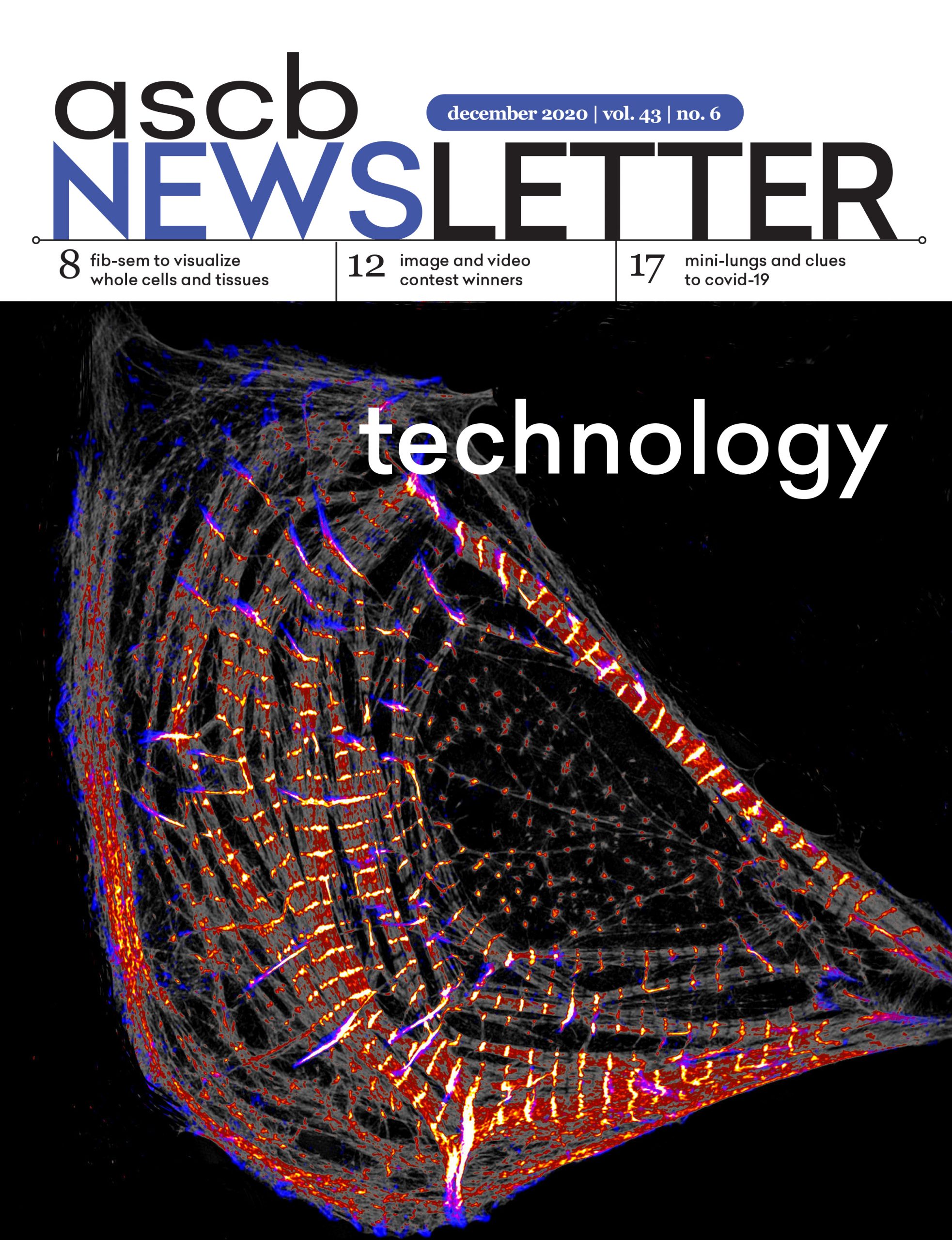
Read DDP Scholar Alex Maya-Romero’s article in the American Society for Cell Biology’s Dec. 2020 newsletter: Alex Maya-Romero ASCB Newsletter... Read More
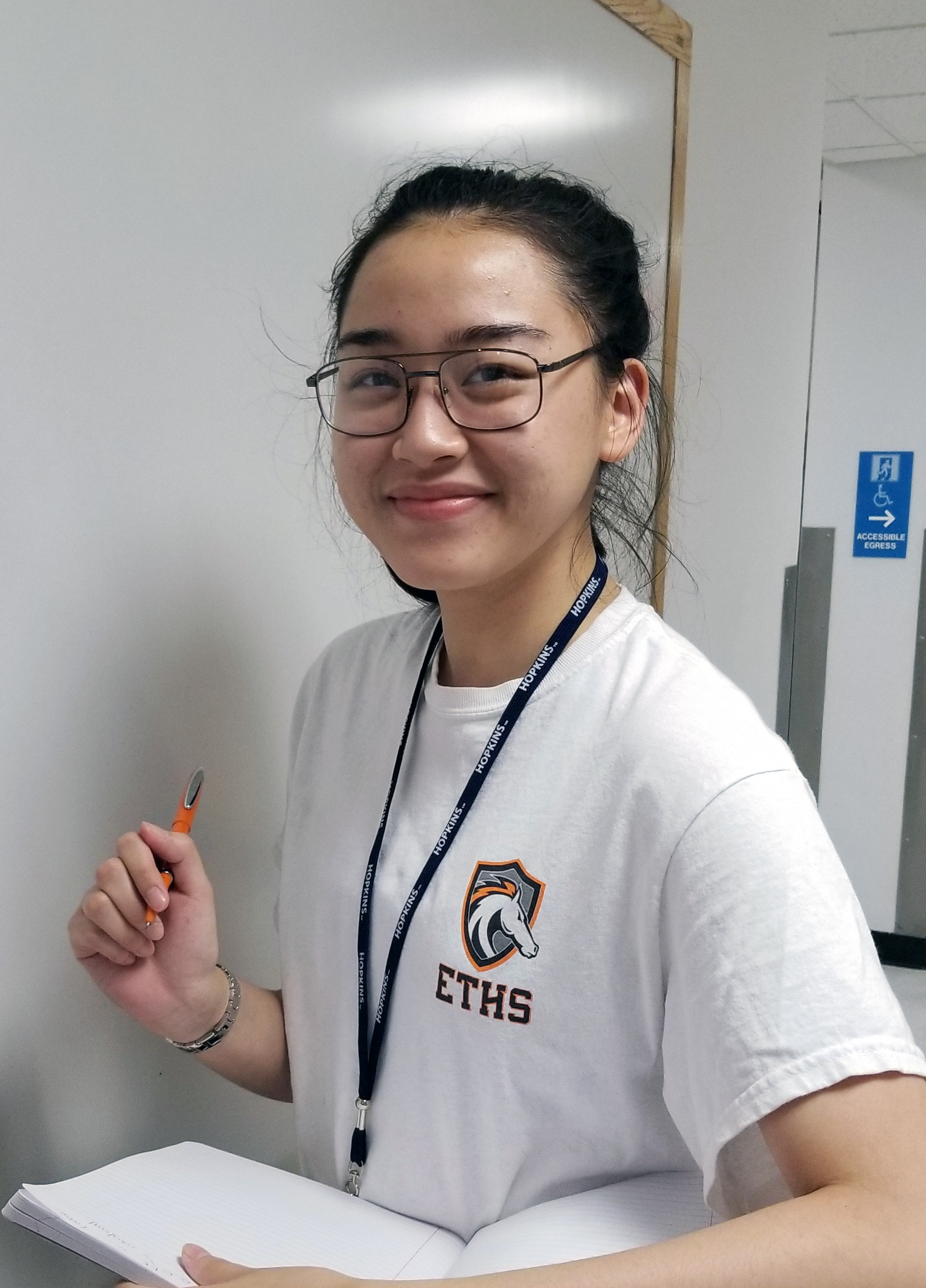
2019 SARE Scholar and rising Stanford University undergraduate Thinzar Htwe published in the Stanford Daily her awesome Op-Ed piece on... Read More
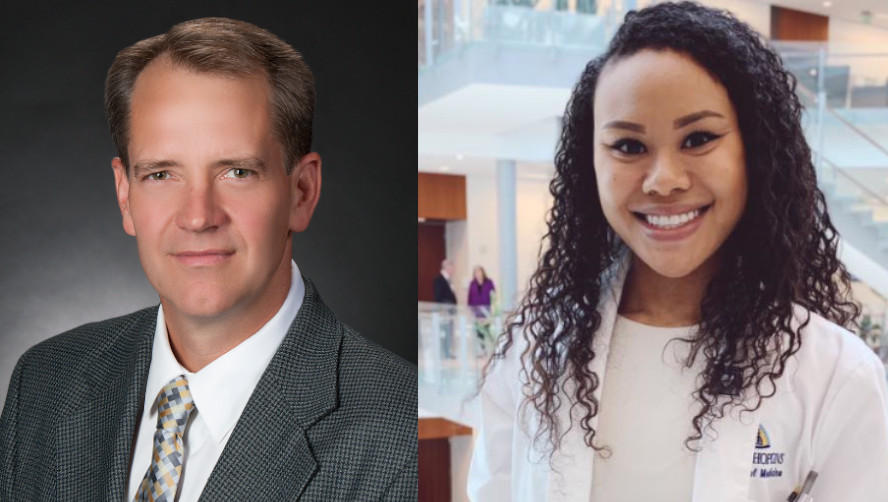
DDP graduate and now Johns Hopkins 2nd-year medical student Michelle Colbert and I got to share the story of the... Read More
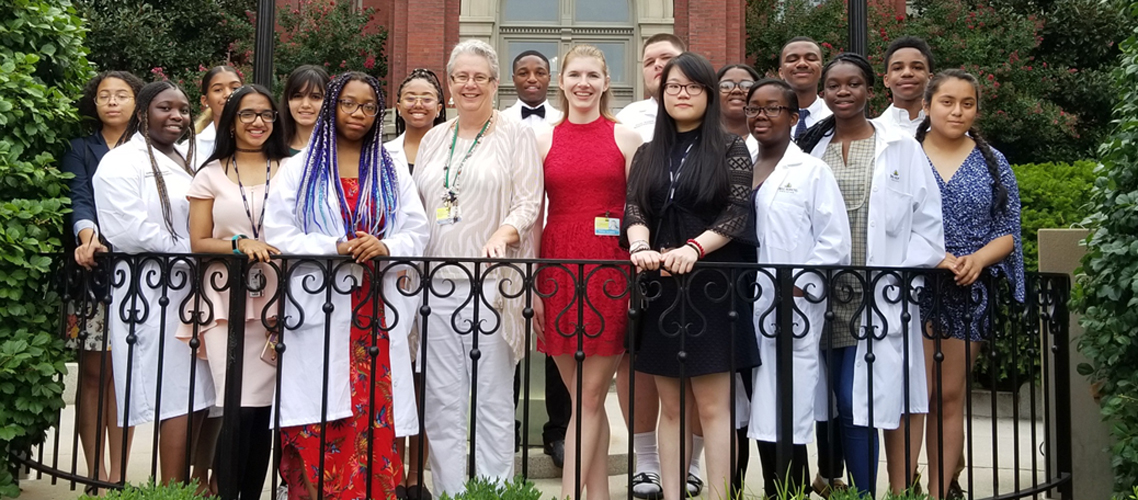
The Johns Hopkins Initiative for Careers in Science and Medicine: Helping Scholars Overcome Socioeconomic Barriers may receive support through the United Way... Read More
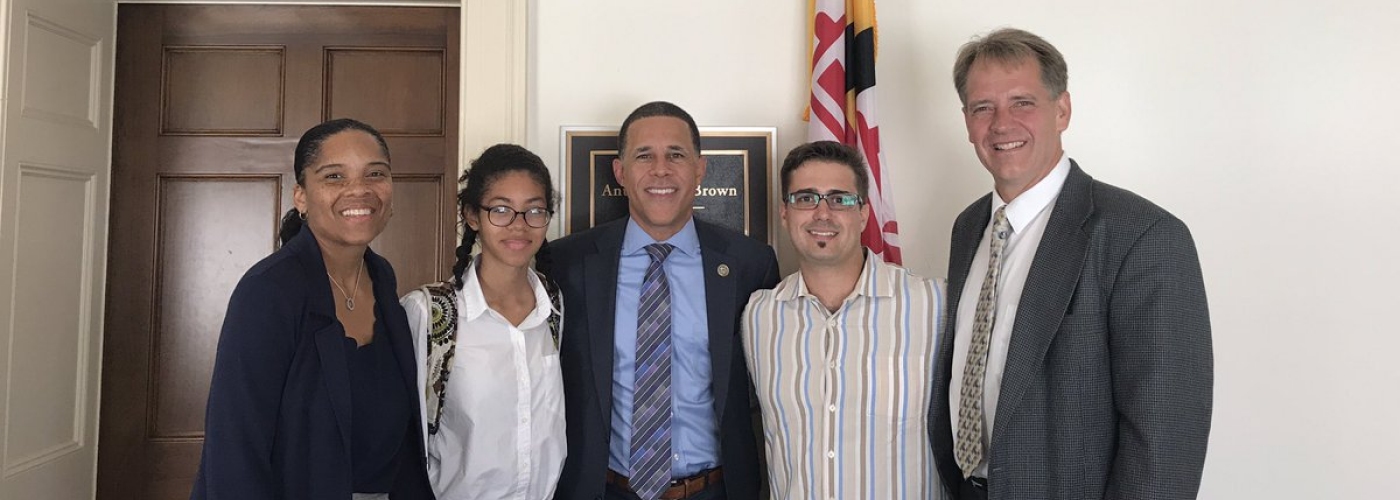
The Careers in Science and Medicine went to the Hill to advocate for the Health Careers Opportunity Program, which supports... Read More
Kuhn JA, Banerjee P, Haye A, Robinson DN, Iglesias PA, Devreotes PN. Complementary cytoskeletal feedback loops control signal transduction excitability and cell polarity. bioRxiv; 2024. Feb. 13. DOI: https://doi.org/1101/2024.02.13.580131.
Manoj, M., Truong, P.P., Shiffman, J. and Shawar, Y.R. 2023. The Health Justice Policy Tracker: COVID-19 Policies To Advance Health Justice For Vulnerable Populations. Health Affairs 42(12), pp.1689-1696. https://doi.org/10.1377/hlthaff.2023.00704
Shawar, Y.R., Truong, P.P. and Shiffman, J. 2022. The emergence of political priority for addressing child sexual abuse in the United Kingdom. Child Abuse & Neglect, 128, p. 105601. https://doi.org/10.1016/j.chiabu.2022.105601
Izadi, LH, Mmeje O, Drabo EF, Perin J, Martin S., and Coleman JS. An effectiveness-implementation trial protocol to evaluate PrEP initiation among U.S. cisgender women using eHealth tools vs. standard care. Front. Reprod. Health, 2023; 5. http://doi.org/10.3389/frph.2023.1196392.
Girgenti, Sophia G., Brunson, Autumn O., Marsh, Elisabeth B. Baseline Function and Rehabilitation Are as Important as Stroke Severity as Long-term Predictors of Cognitive Performance Post-stroke. American Journal of Physical Medicine & Rehabilitation 102(2S):p S43-S50, February 2023. | DOI: 10.1097/PHM.0000000000002125
Marsh, E.B., Girgenti, S., Llinas, E.J. Brunson A.O. Outcomes in Patients with Minor Stroke: Diagnosis and Management in the Post-thrombectomy Era. Neurotherapeutics (2023). https://doi.org/10.1007/s13311-023-01349-5
March EB, Girgenti S, Llinas EJ, and Brunson AO. Outcomes in Patients with Minor Stroke: Diagnosis and Management in the Post-thrombectomy Era. Neurotherapeutics 2023. https://doi.org/10.1007/s13311-023-01349-5